

REPLAY: How to host an all-hands that doesn’t suck
7 moves that turn “this could’ve been an email” into something people actually show up for

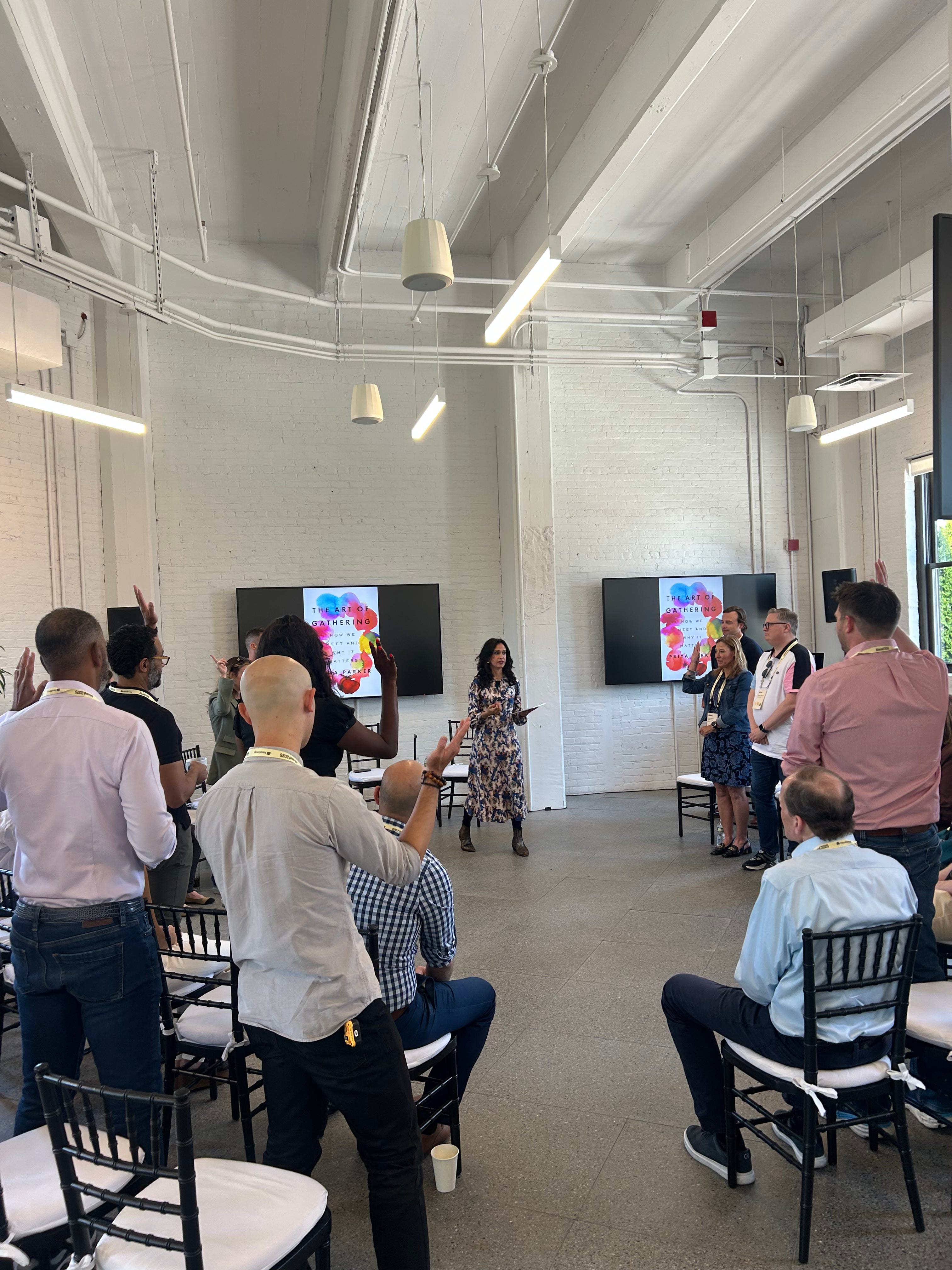
In every organization I’ve worked with, I’ve heard some version of “this meeting could’ve been an email,” which is why I taught this week’s GROUP HELP Session on how to host an all-hands that doesn’t suck. You can watch the full replay below.
If you want to make your all-hands better, you’re gonna want to send this one to your boss. ;)
7 moves that make an all-hands actually worth people’s time
I gave this disclaimer in our session, and I want to say it here too: if you have deep trust issues and your team is broken, your all-hands ain’t gonna fix it. These meetings are powerful mechanisms, but they can’t repair what needs repair outside the room.
1. Don’t assume the purpose is obvious or shared. People hear “all-hands” and assume they know what kind of meeting they’re walking into, which is exactly why the purpose often goes unexamined. Leaders hold them because they feel like they should, because they can’t cancel them, or because this is the moment they’re supposed to “be in touch with their people.” But all-hands are some of the most powerful mechanisms organizations have for helping people understand what’s happening, ask real questions, and, frankly, feel what it means to work here. I shared this (brave!) coaching session I did with Brené Brown, where I publicly coached her through reimagining her weekly all-hands. Before our session, she asked everyone on the team what they thought the meeting was for. Everyone had a different answer.
2. Ask: What role do you want people to actually play? (And everyone need not play the same role.) A nonprofit executive director realized (by watching a board meeting run by her predecessor) that the unnamed purpose of the board meeting was to keep board members at bay. But she didn’t want her board to be kept out of the problems of the organization. She wanted thought partners. So she redesigned the meeting around the organization’s hardest, unresolved challenges and invited the board into that role explicitly. Some people opted out. Others leaned in. She changed the role they were being asked to play.